Have you ever paused mid-thought and asked yourself, “Where did that even come from?”
Maybe it was a quiet voice whispering, “You’re not good enough.” Or a mental shortcut that assumed “This won’t work anyway.”
Most of us go through life without ever examining the patterns in our thinking—but these mental habits drive our actions, shape our emotions, and ultimately define the direction of our lives.
So, the real question is: Why do you think the way you think? And more importantly, Can you change it?
The answer is: yes, you absolutely can.
What Is a “Habit of Thinking”?
The habit of thinking is a concept that encompasses how our thoughts can become automatic and influence our behavior. Just like brushing your teeth, checking your phone, or biting your nails, your thoughts follow patterns that repeat without conscious effort. These patterns become mental “defaults,” built over time by:
Just like brushing your teeth, checking your phone, or biting your nails, your thoughts follow patterns that repeat without conscious effort. These patterns become mental “defaults,” built over time by:
- Your upbringing and environment
- Messages from society, media, or school
- Traumatic or emotional experiences
- Self-protection instincts rooted in fear
Eventually, your brain takes the path of least resistance, creating neural pathways that reinforce those thoughts repeatedly. These repeated thoughts become your mental baseline—but that doesn’t mean they’re accurate or helpful.
It becomes so automatic, you barely notice.
Signs You’re Stuck in Unhelpful Thinking Patterns
- You assume the worst in uncertain situations
- You replay past mistakes like a broken record
- You downplay your strengths and highlight your flaws
- You say things like “That’s just how I’ve always been.”
Sound familiar? These are signs your thoughts have formed rigid habits, not reflective truths.
Example: A Real-Life Thought Loop
Let’s say you grew up being told you need to be “perfect” to be loved. Over time, your brain builds a habitual thought loop like:
“If I make a mistake, people will judge me. Better not even try.”
That thought feels real. But it’s not the truth—it’s just well-practiced.
Now, imagine this person never questions that thought. They live cautiously, play small, and say no to big opportunities. All because of one invisible, unchecked belief.
That’s the power—and the danger—of a habit of thinking.
Can You Change the Way You Think?
Absolutely yes—and here’s why:
Your brain is neuroplastic. That means it has the incredible ability to change, adapt, and rewire—even in adulthood.
But here’s the catch: You have to interrupt the old pattern and intentionally replace it with a new one, consistently.
Just like you didn’t develop your current mindset overnight, you won’t break it overnight either. But it’s possible with:
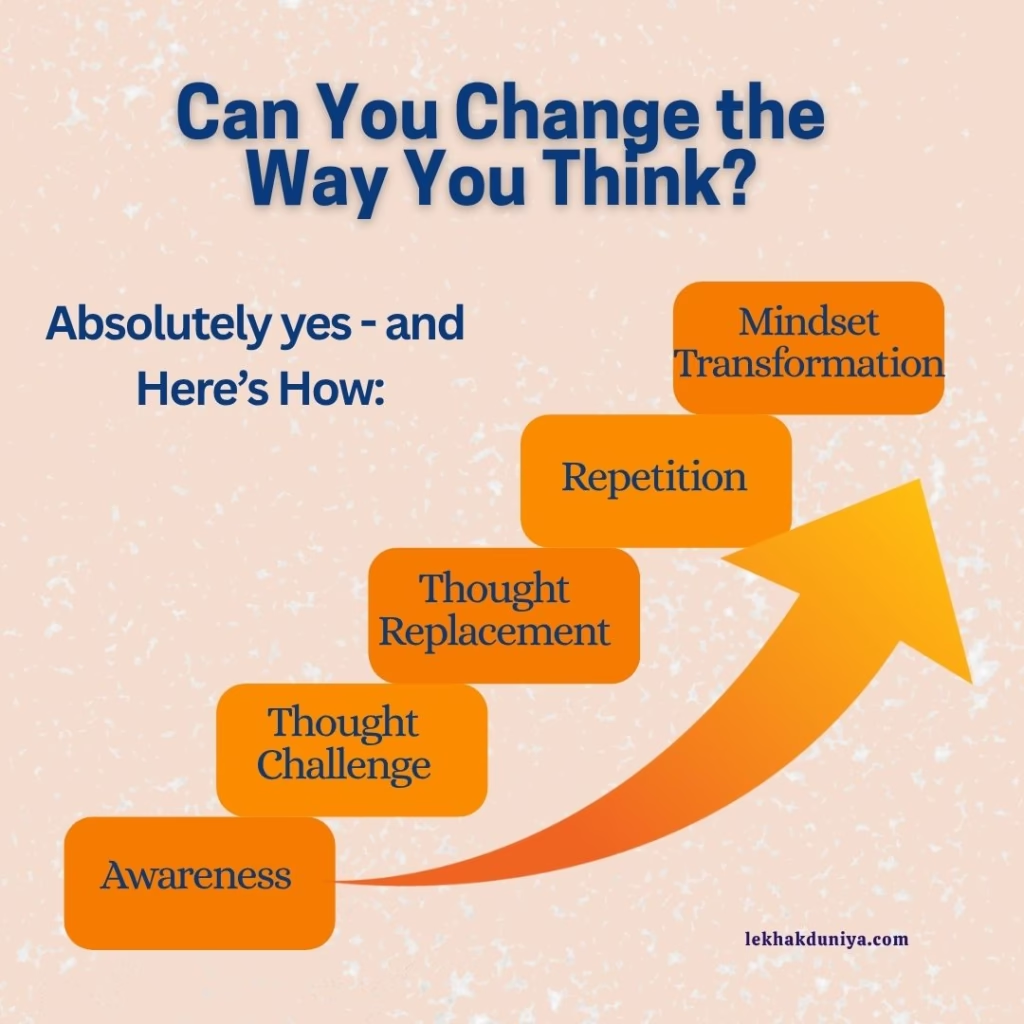
- Awareness
- Repetition
- Compassion
5 Simple Steps to Shift Your Thinking Habit
Here are how to break old thought habits to shift your thinking:
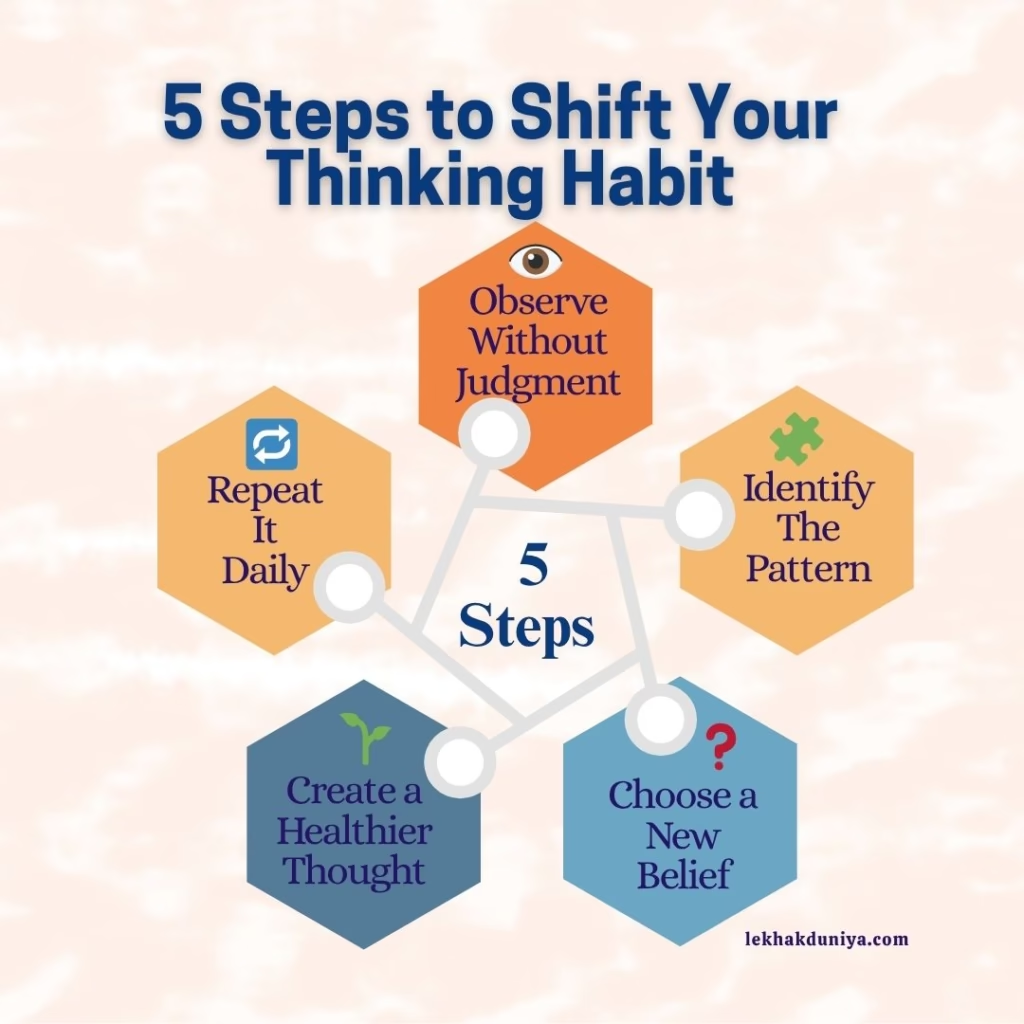
1. Notice the Thought Without Judgment
Start by simply noticing your thoughts. No fixing. No resisting. Just awareness. “I’m thinking I’ll fail at this.” “That’s a fear-based assumption.”
2. Identify the Pattern
Ask yourself:
- Is this thought helpful?
- Has this always been true?
- Where did I learn it?
- Who would I be without this thought?
Most limiting beliefs crumble under honest questioning.
3. Interrupt the Loop
Use pattern interrupters like:
- Deep breaths
- Affirmations
- A physical activity (walk, stretch, etc.)
Interrupting the loop helps weaken the neural pathway.
4. Create a Healthier Thought
Replace the old habit thought with something empowering.
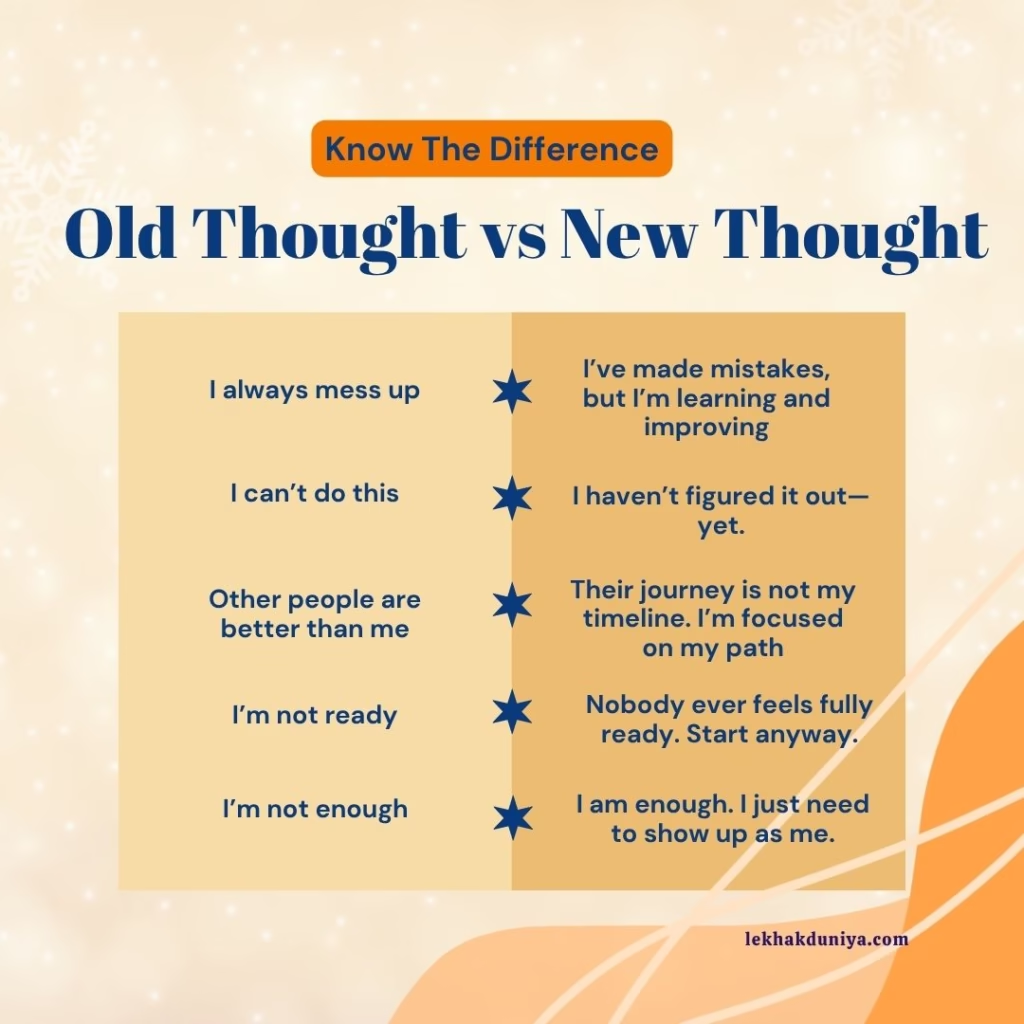
So, if the old thought was:
“I always mess up.” Replace it with: “I’ve made mistakes, but I’m learning and improving.”
Make it believable, gentle, and growth-based.
5. Repeat It Daily—Especially in Trigger Moments
Just like habits are formed through repetition, they can be reshaped the same way—one consistent step at a time.
Repetition forms new neural pathways. Speak your new thought aloud. Write it down. Post it on your mirror. Set a reminder. The more you train your mind with it, the more natural it feels.
The Inner Shift: From Thought Slave to Thought Leader
Most people live as prisoners of their thoughts, thinking,
“That’s just who I am.” But that’s a myth.
You’re not your thoughts. You’re the one who hears them. You get to observe, question, and rewire them.
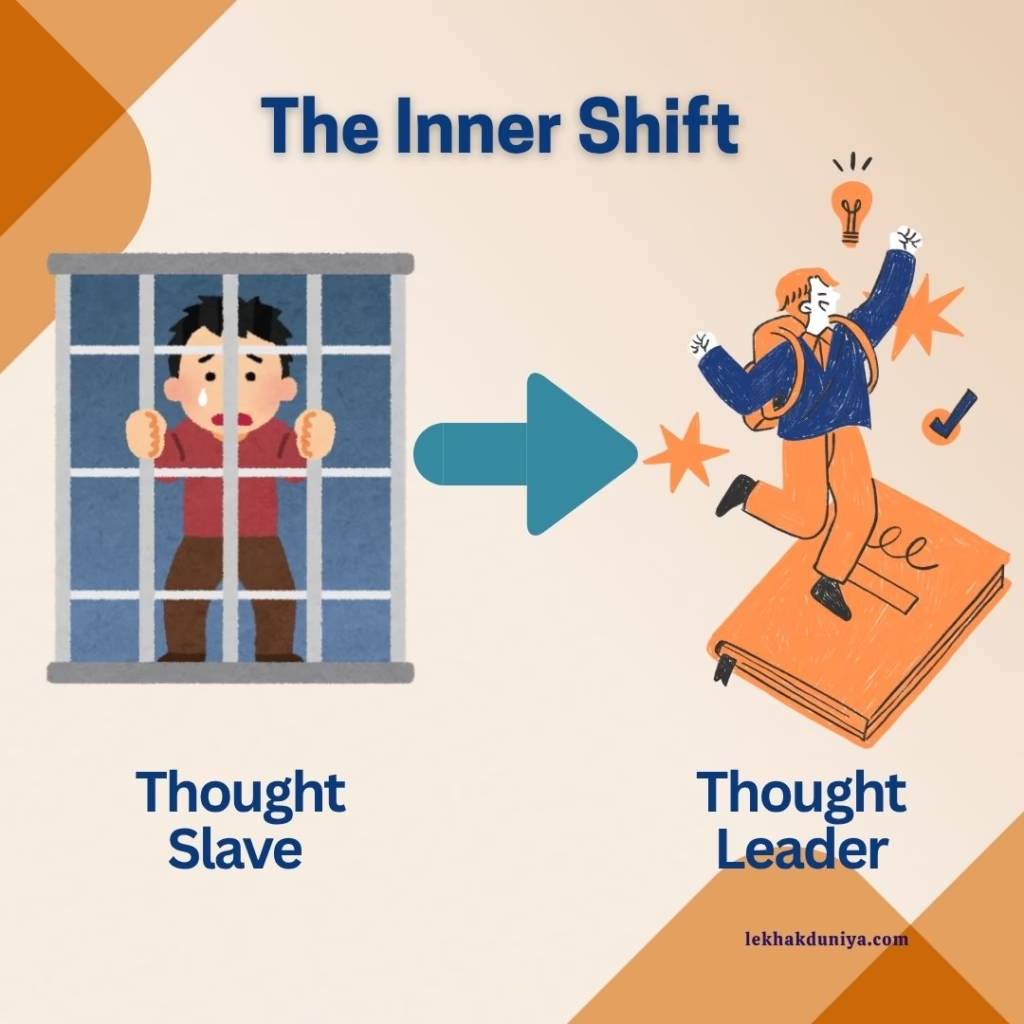
This is the real work of self-improvement—not just changing habits of action, but first changing the habit of thinking that fuels them.
A Quick Self-Check:
Next time you feel stuck, anxious, or small, pause and ask:
“What am I believing right now?” “Is this thought moving me forward—or holding me back?”
If not, let it go. Choose a better one. That moment of awareness could change everything.
Final Thought: You’re Not Your Thoughts
Your thinking habit isn’t fixed—it’s flexible. Your mindset isn’t permanent—it’s programmable.
And once you begin to think better, you begin to live better.
So go ahead—be curious about your thoughts. Just because a thought pops up doesn’t mean it deserves your attention. Some need to be turned down. Some need to be rewritten.
And some need to be lovingly let go. That means your thoughts can become tools for progress, not roadblocks. #Habit of Thinking